

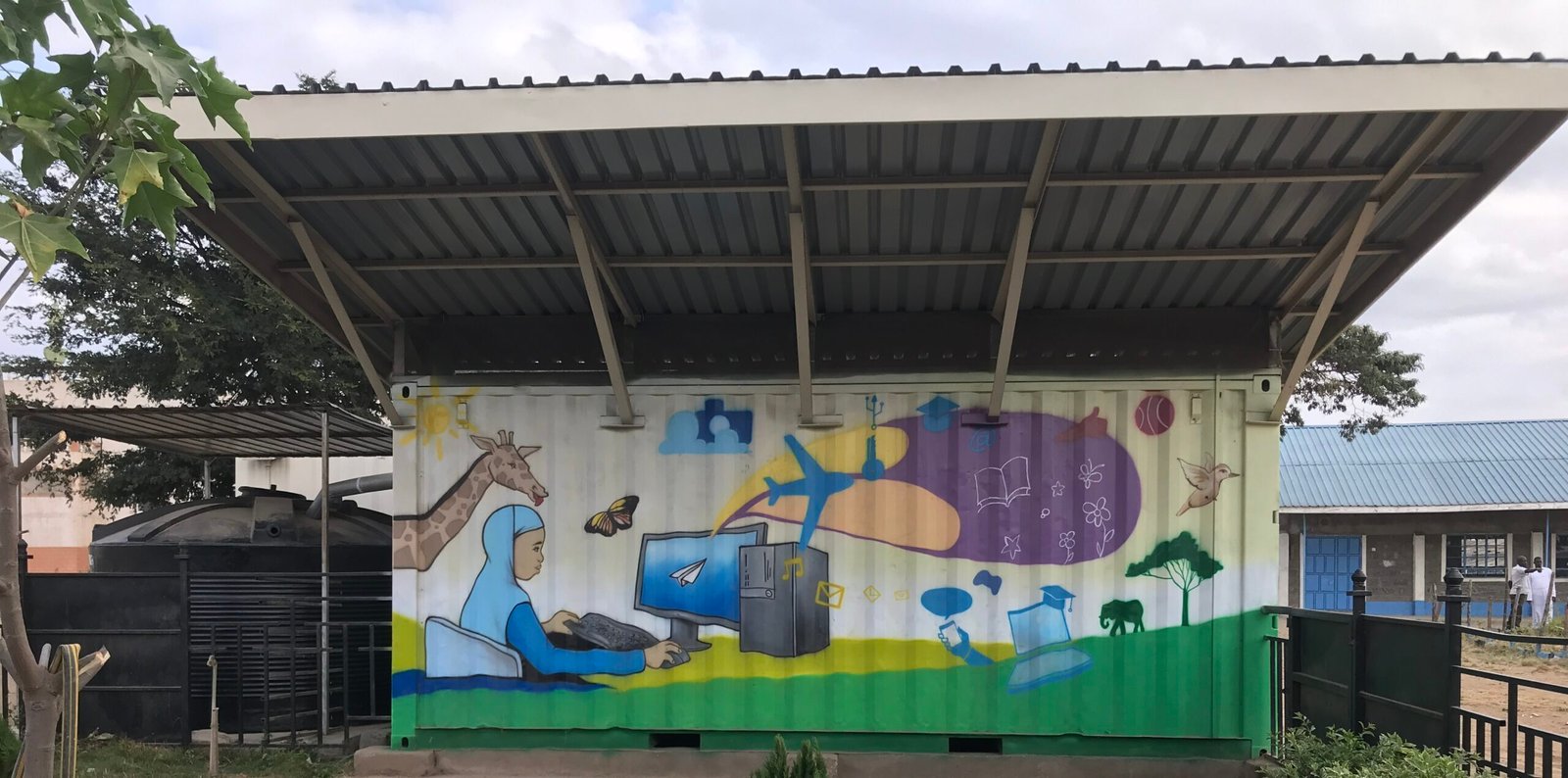
The Kajiado Solar Community Hub, an initiative of ComputerAid Kenya, serves as a community-based digital innovation and learning centre that empowers children, youth, and the wider community through technology, education, entrepreneurship, and social development.The hub was established to bridge the digital divide by providing access to quality digital skills training while addressing key social and environmental challenges affecting the community. Powered by sustainable solar energy, the hub offers an inclusive learning environment where young people gain future-ready skills, nurture innovation, and develop solutions to local challenges.Through partnerships with schools, community organizations, volunteers, and industry stakeholders, the hub continues to create opportunities that prepare learners for the rapidly evolving digital economy.
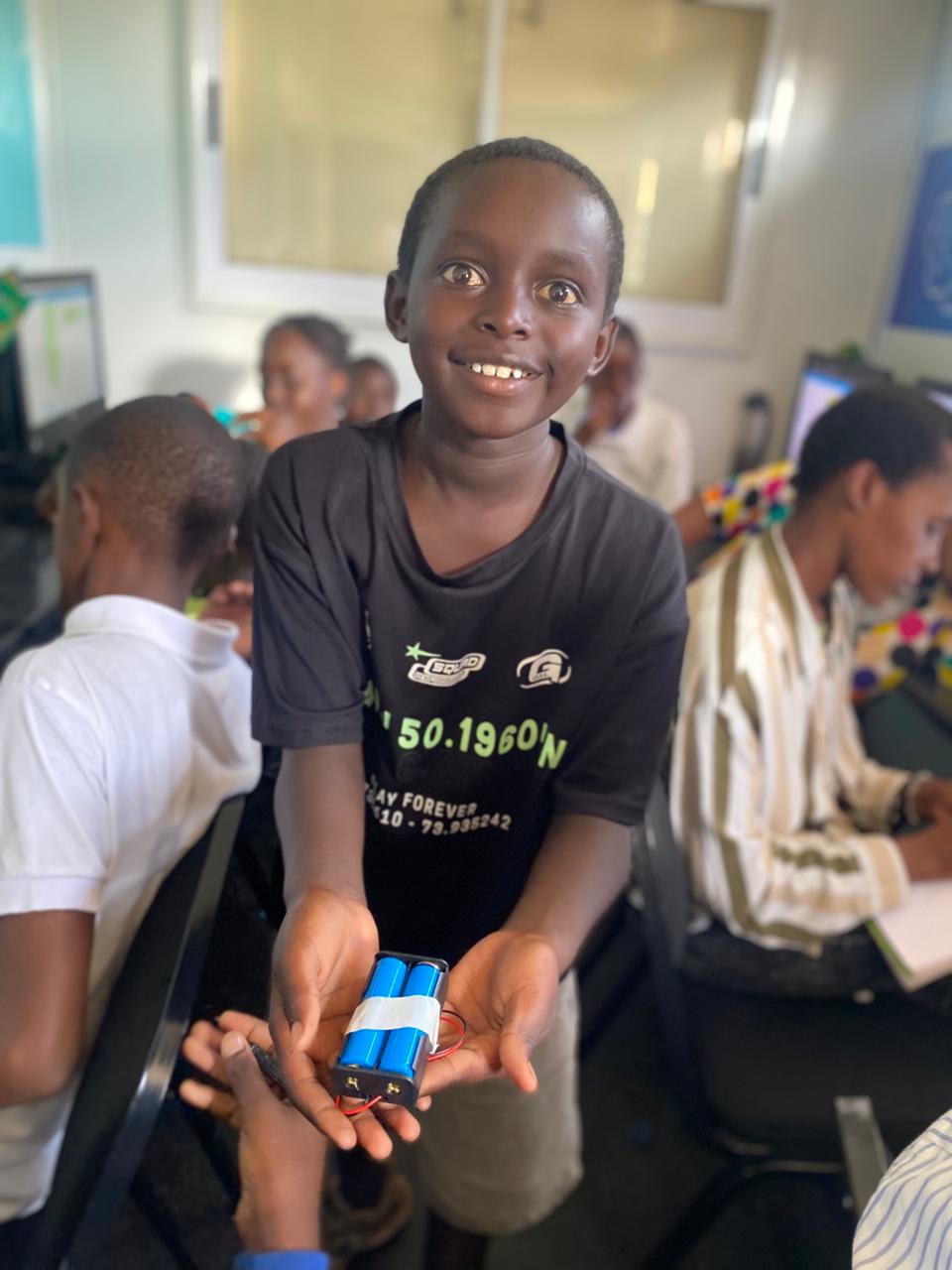
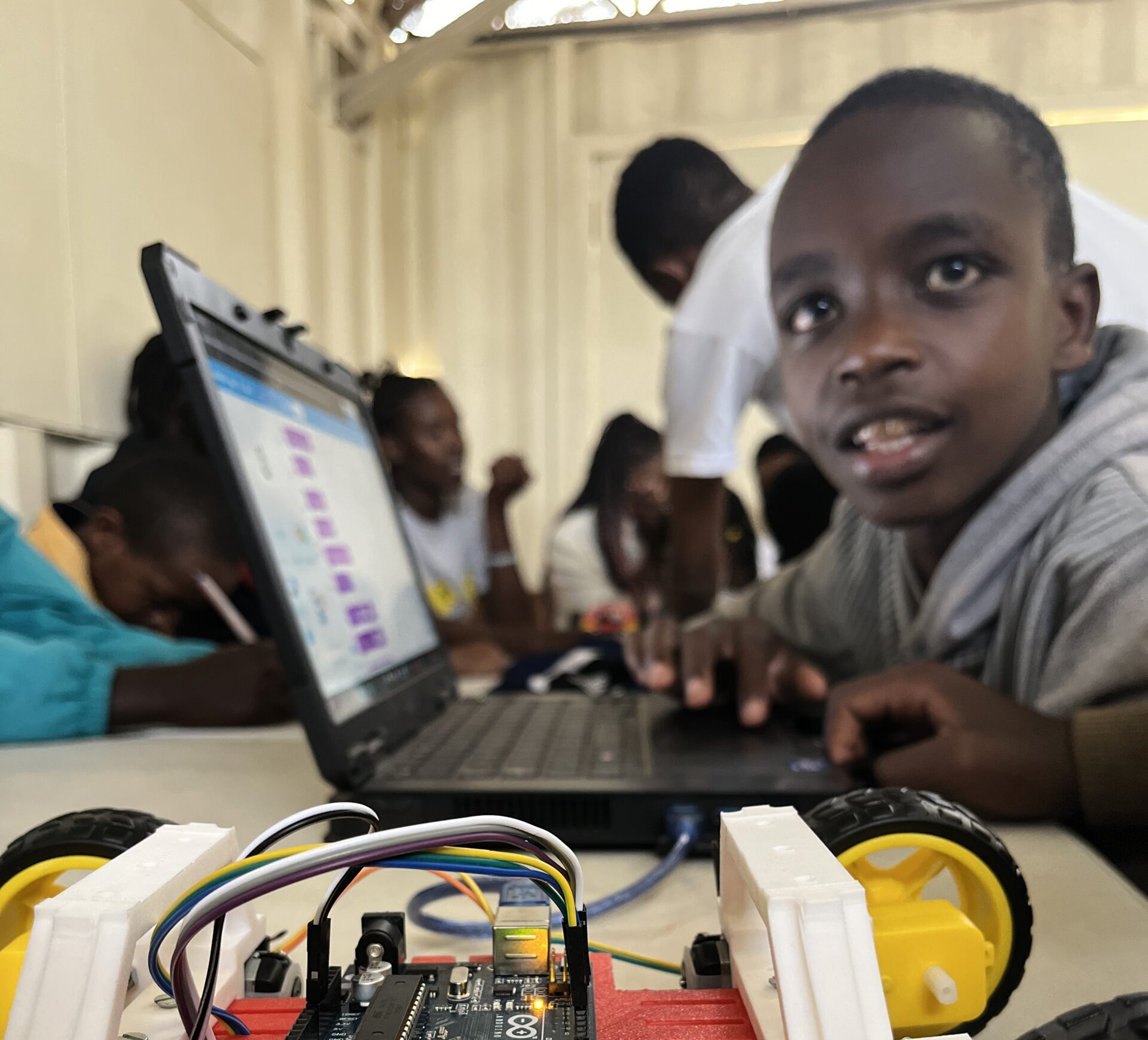
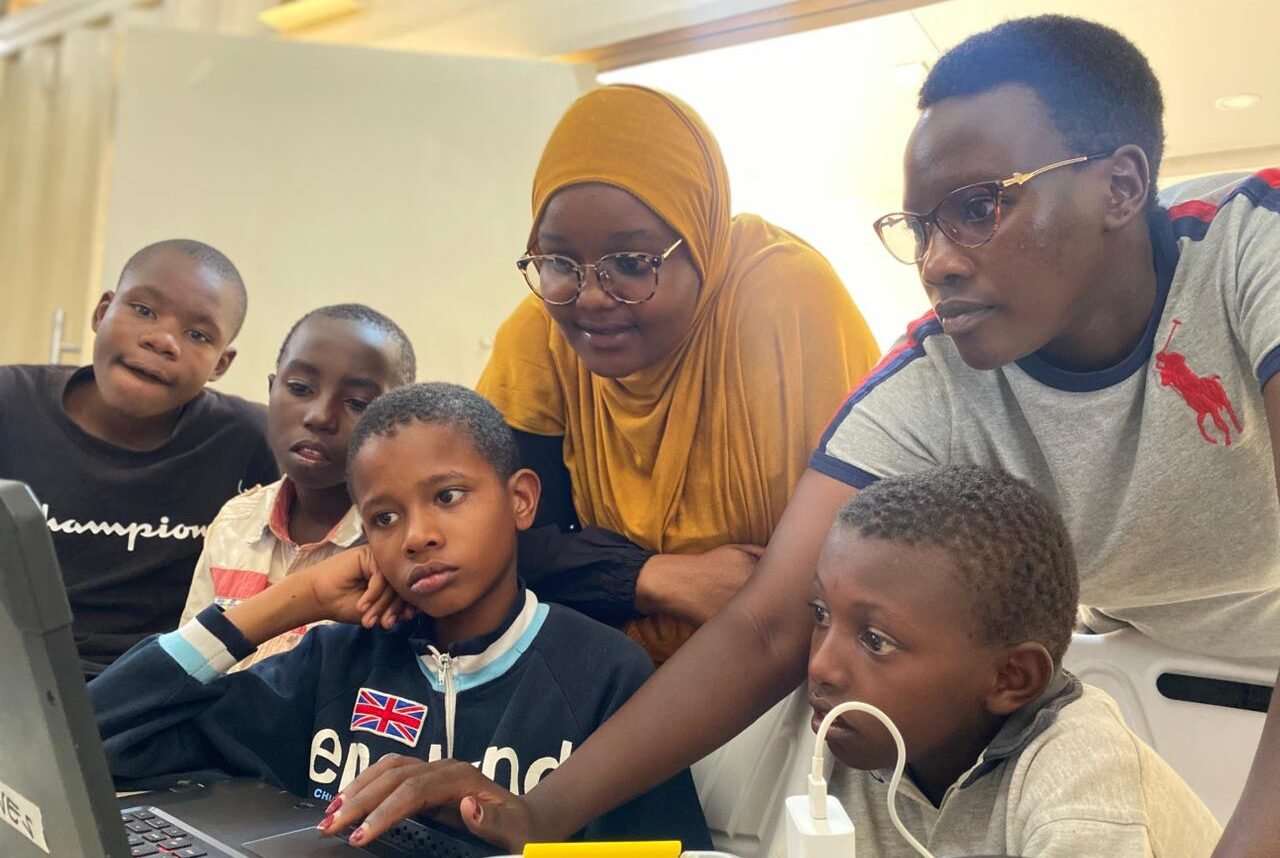
The Robotics Programme targets learners in Grades 4–8, introducing them to coding, computational thinking, electronics, and engineering concepts in line with Kenya's Competency-Based Education (CBE) curriculum.The programme begins with Scratch Programming, enabling learners to understand coding fundamentals before progressing into robotics design and development.
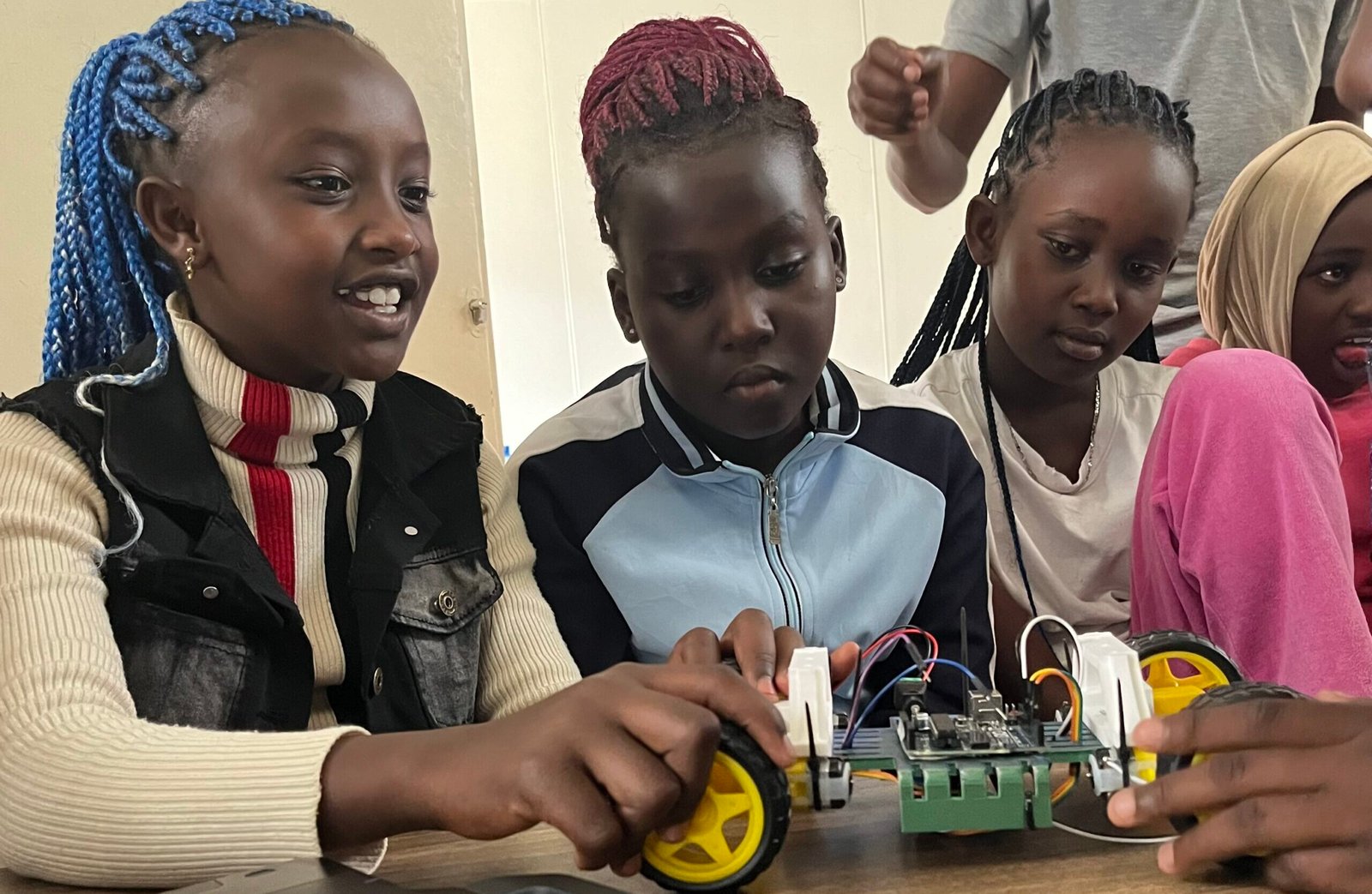
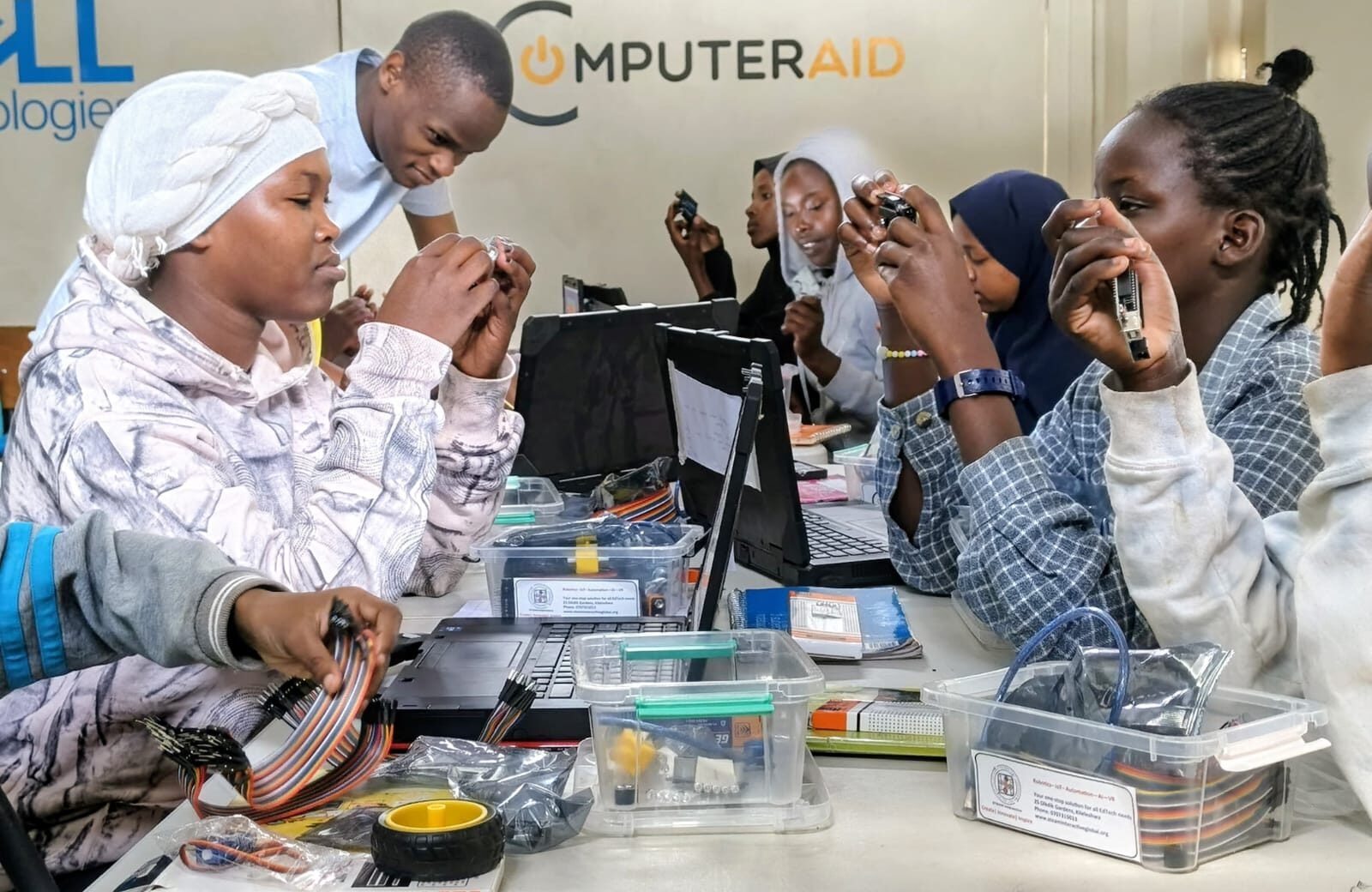
Learners advance into: Basic Robotics, Electronics, Sensors and Actuators, Arduino Microcontrollers, 3D Design 3D Printing, Internet of Things (IoT) and Prototype Development
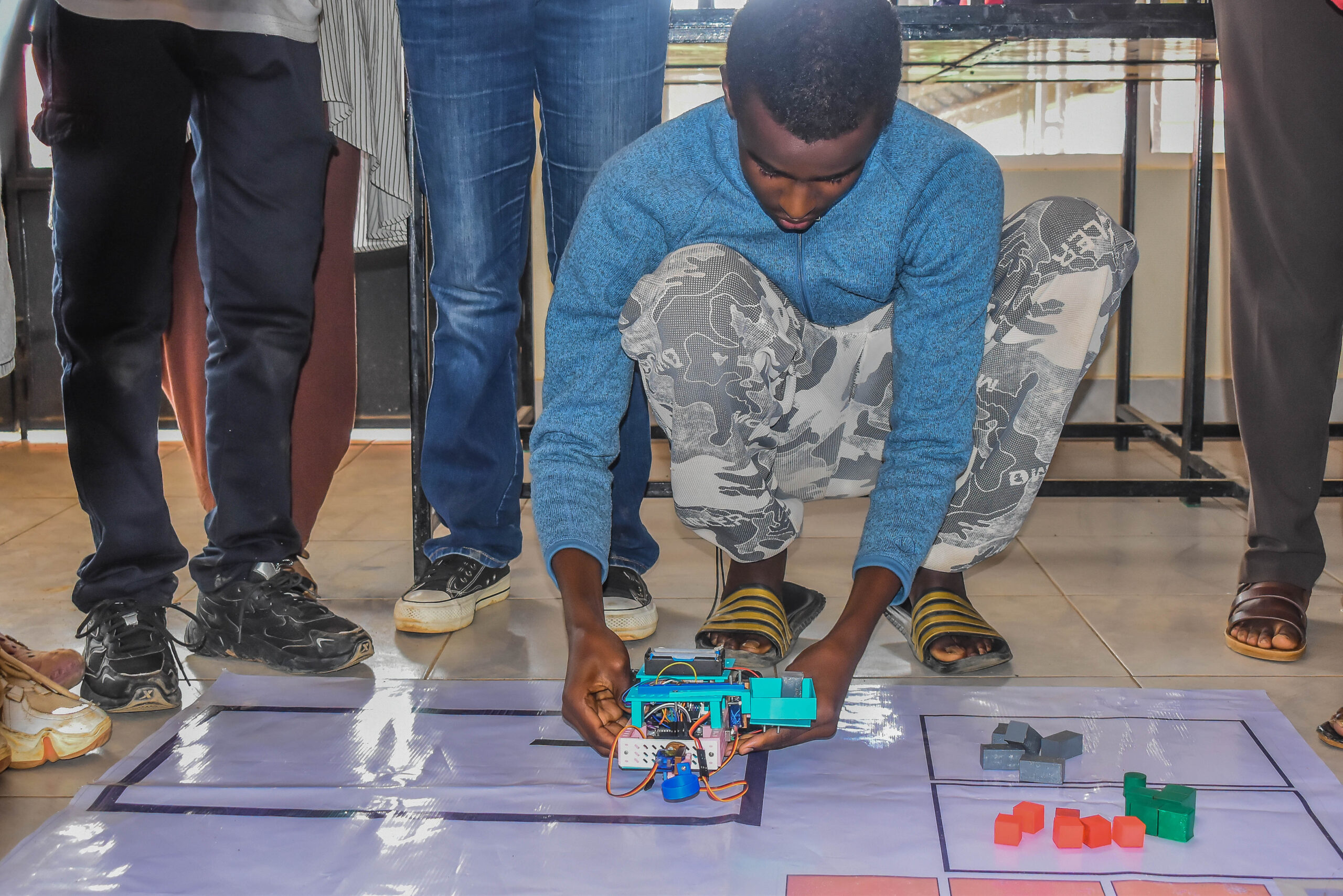
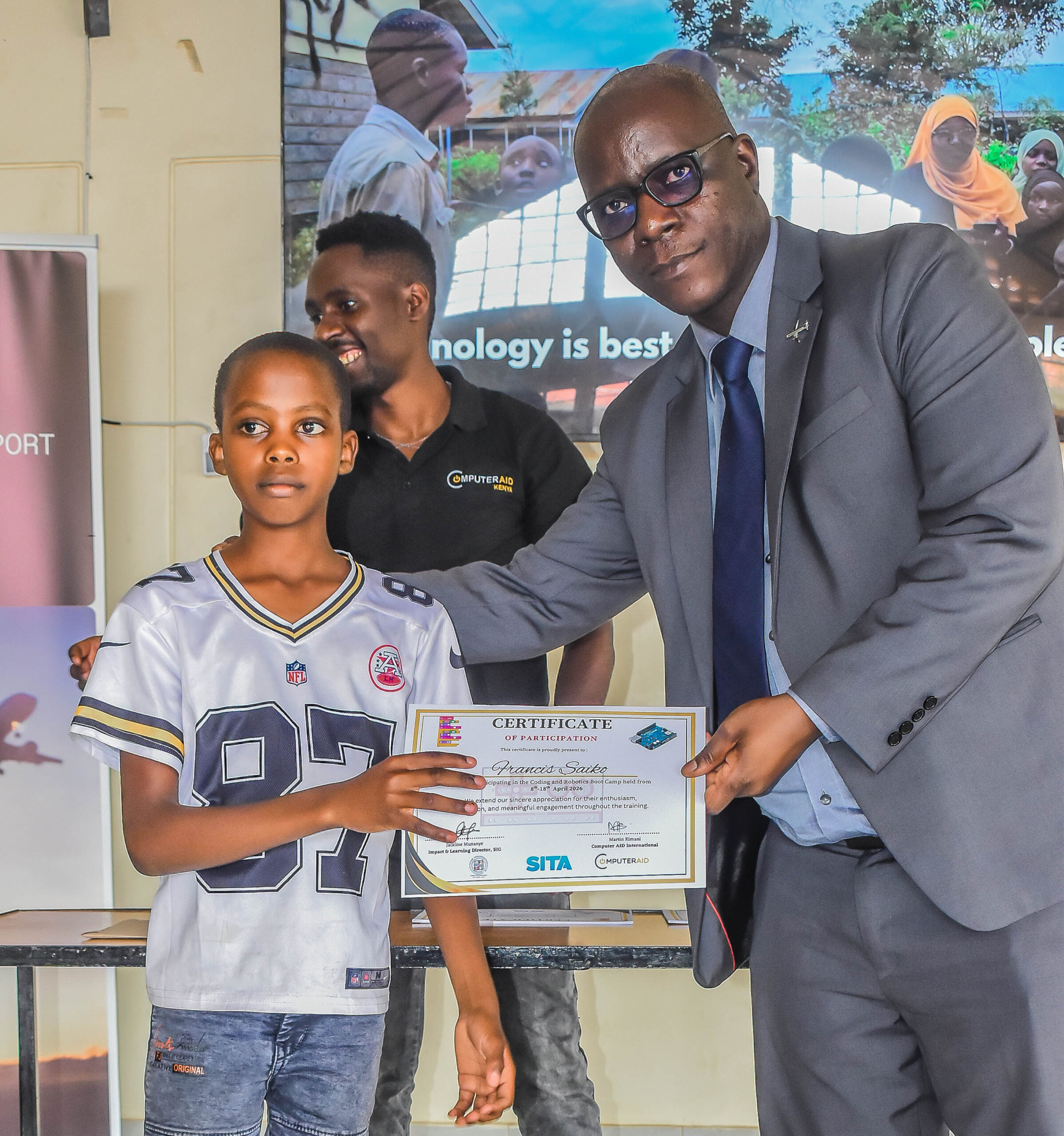
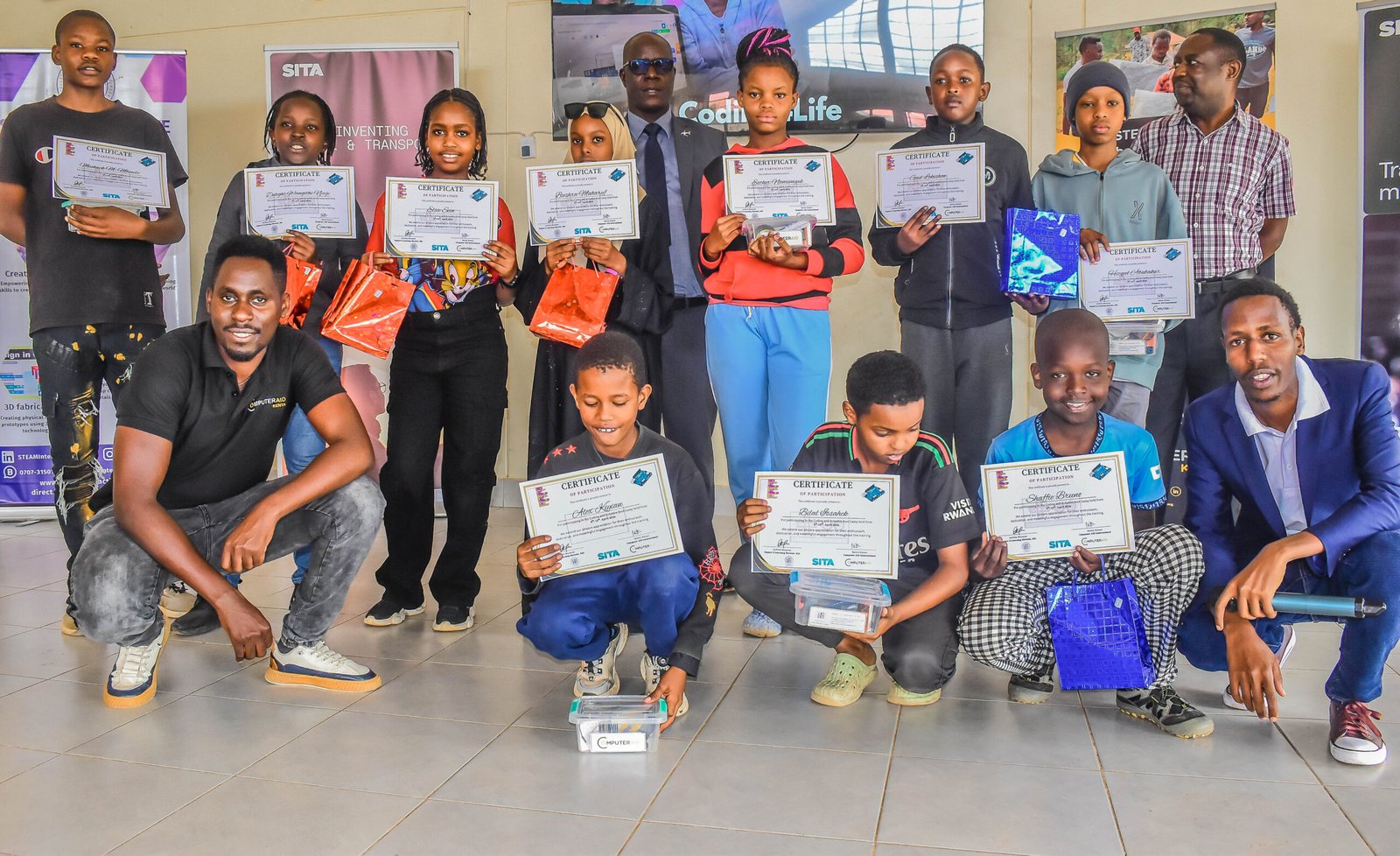
Every November–December school holiday, the hub organizes an intensive Robotics Bootcamp involving 40 learners drawn from different schools within the community.
The bootcamp provides hands-on experience in: Robotics Engineering, Coding Arduino Programming, 3D Modelling, 3D Printing, Innovation Challenges Teamwork and Problem Solving.
At the end of each bootcamp, the top 10 outstanding learners are selected to join the Advanced Robotics Fellowship, a year-long mentorship programme designed to nurture exceptional talent.
These learners: Build advanced robotics projects, Participate in national and international robotics competitions, Receive mentorship from industry experts, Develop innovative solutions to community challenges.
The long-term vision is to establish a community innovation laboratory capable of designing, manufacturing, and commercializing locally developed robotics solutions.
The hub offers internationally recognized ICDL (International Computer for Digital Literacy) certification programmes that equip learners with essential digital competencies required for education, employment, and entrepreneurship.
To date, 56 learners have successfully completed ICDL certification through the hub.
Training covers four core modules:
✔️Computer & Online Essentials
✔️Documents
✔️Spreadsheets
✔️Presentation or Artificial Intelligence (AI)
The programme builds digital confidence while ensuring learners meet internationally recognized digital literacy standards.
The Social Entrepreneurship Accelerator Programme was established after observing a common challenge affecting many young people in our community. Every year, hundreds of students complete their secondary education and find themselves in a transition period before joining university, college, vocational training, or employment. For many, this period can last several months, while others may never proceed to higher education due to financial constraints or academic performance.
Instead of allowing this valuable time to go unused, the Kajiado Solar Community Hub transforms it into an opportunity for learning, innovation, and personal growth.
The programme equips young people with practical entrepreneurial skills that enable them to identify opportunities within their communities and turn them into sustainable business ventures. Participants are introduced to business ideation, problem-solving, financial literacy, business planning, digital marketing, customer engagement, and the effective use of technology and Artificial Intelligence to grow businesses.
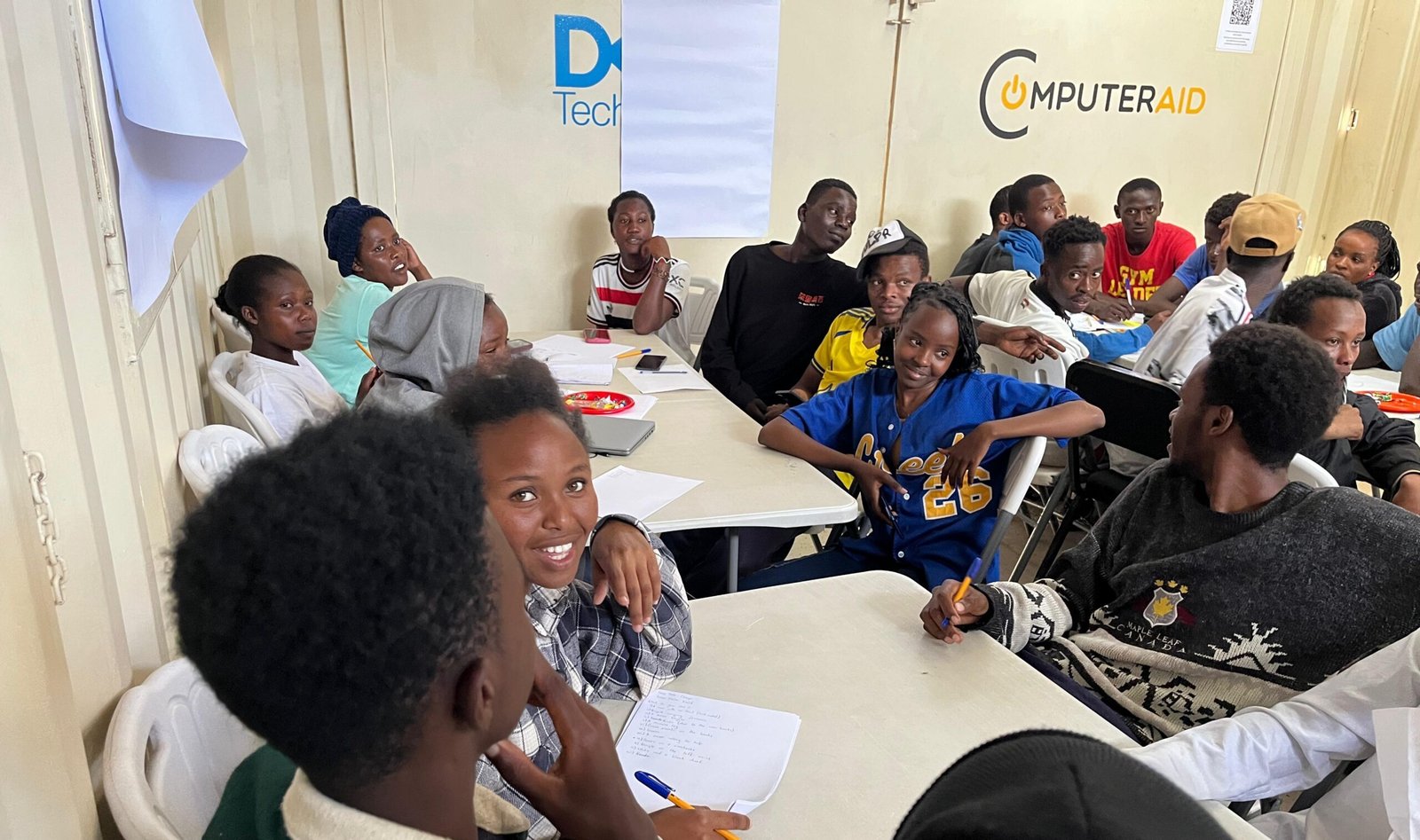
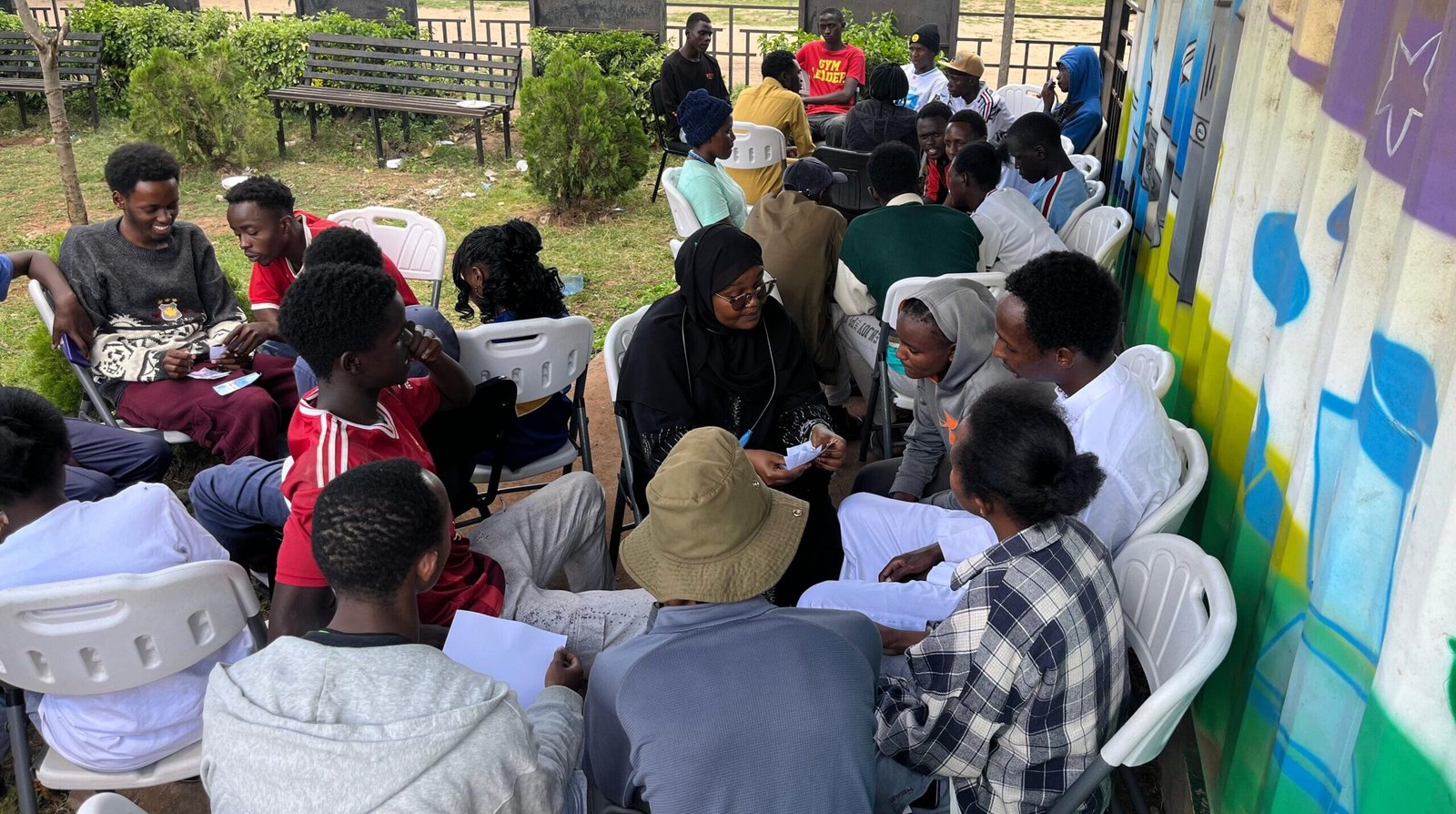
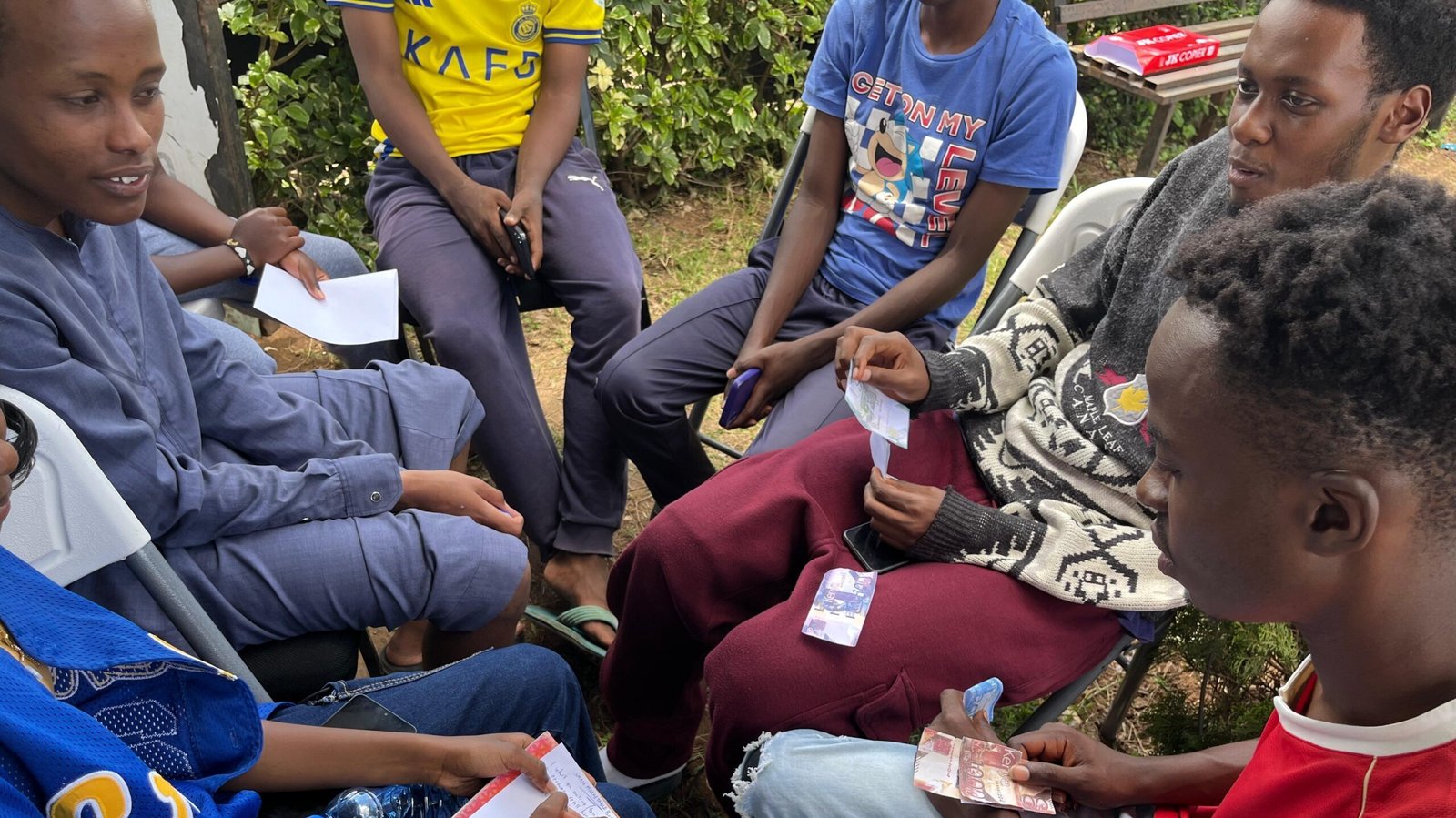
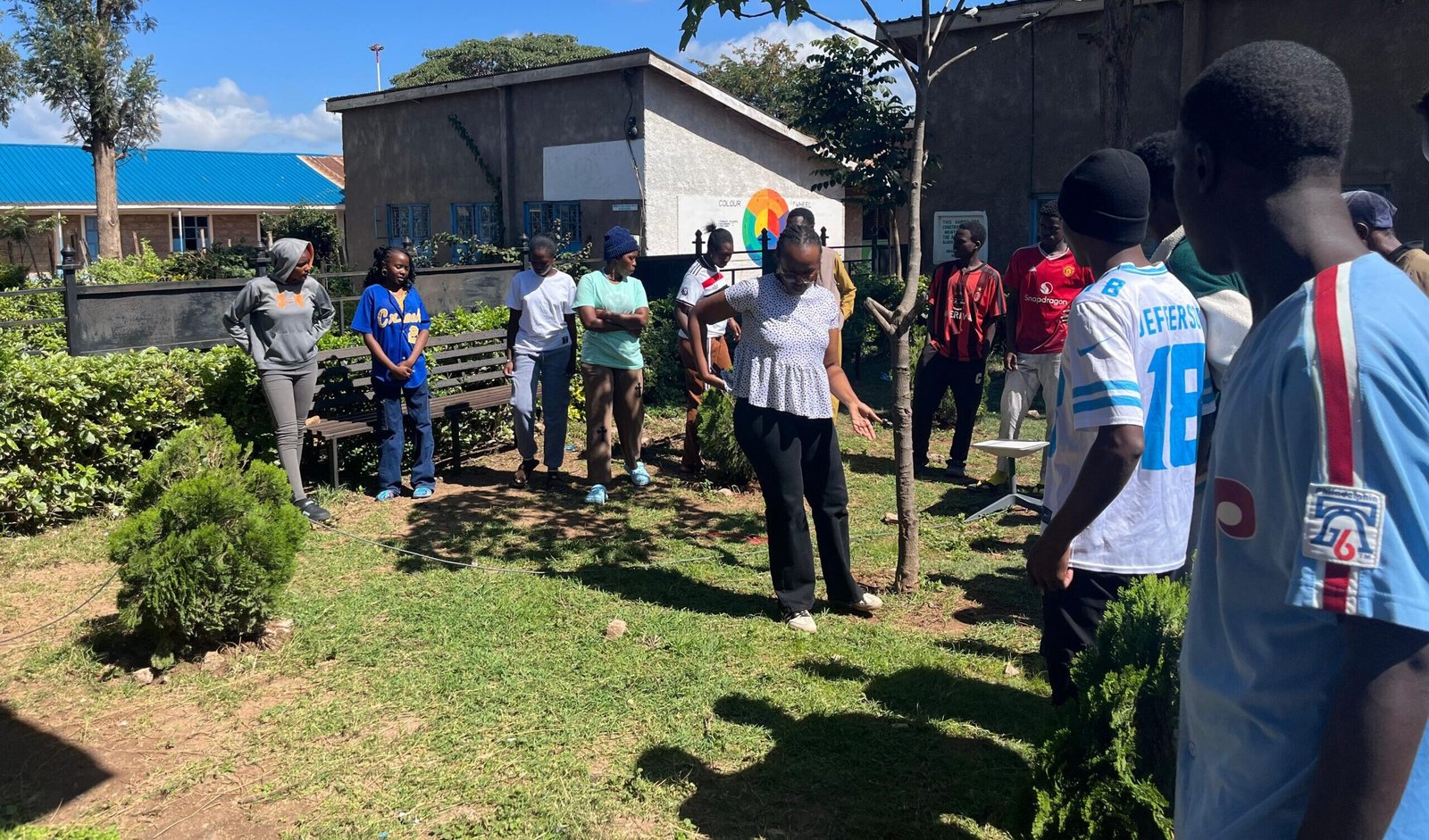
The programme also encourages participants to think beyond profit by developing enterprises that solve real community challenges while creating employment and improving livelihoods. Through mentorship, practical workshops, and collaborative learning, participants refine their ideas into viable business models.
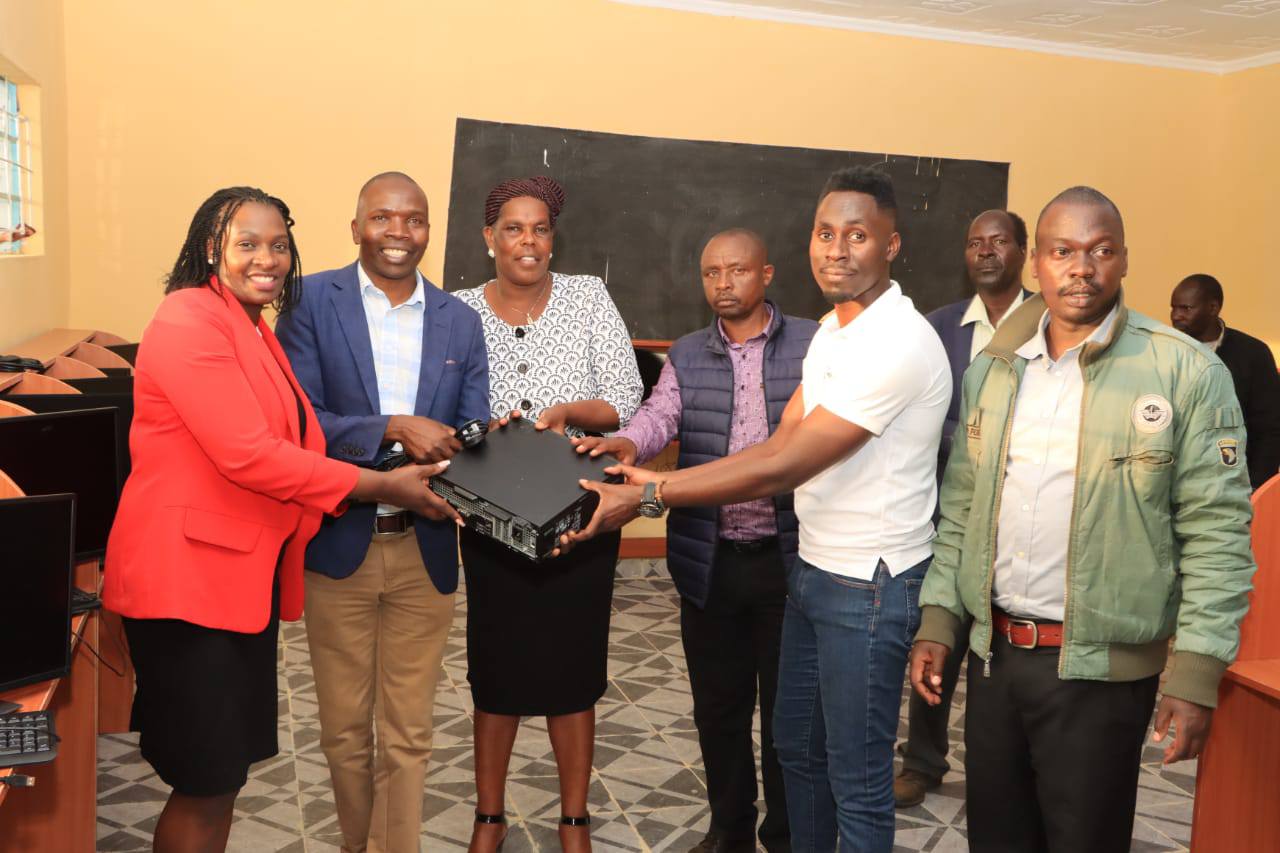
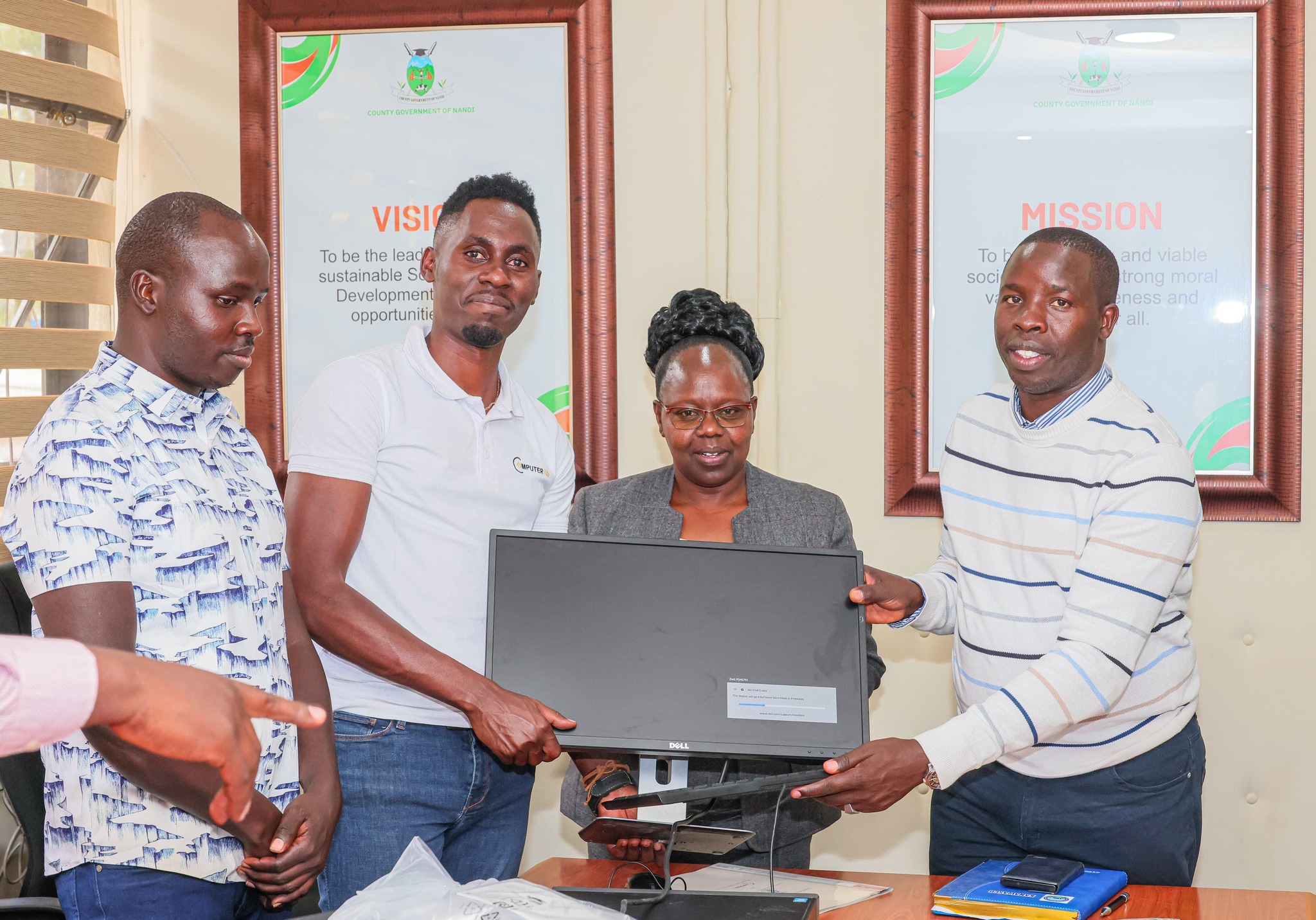
At the end of each cohort, participants pitch their business ideas before a panel of mentors and partners. The most promising ideas are recognized and supported through startup capital, business mentorship, or laptop awards for students proceeding to higher learning institutions. The laptops not only support their academic journey but also enable them to continue researching, marketing, and growing their businesses while in school.
Our vision is to nurture a generation of financially empowered, innovative, and socially responsible young entrepreneurs who create opportunities for themselves and others, reducing youth unemployment and contributing to the economic development of Kajiado County and beyond.
This programme is not simply about teaching business; it is about helping young people make productive use of a critical stage in their lives, discover their potential, and build a future where they become job creators rather than job seekers.
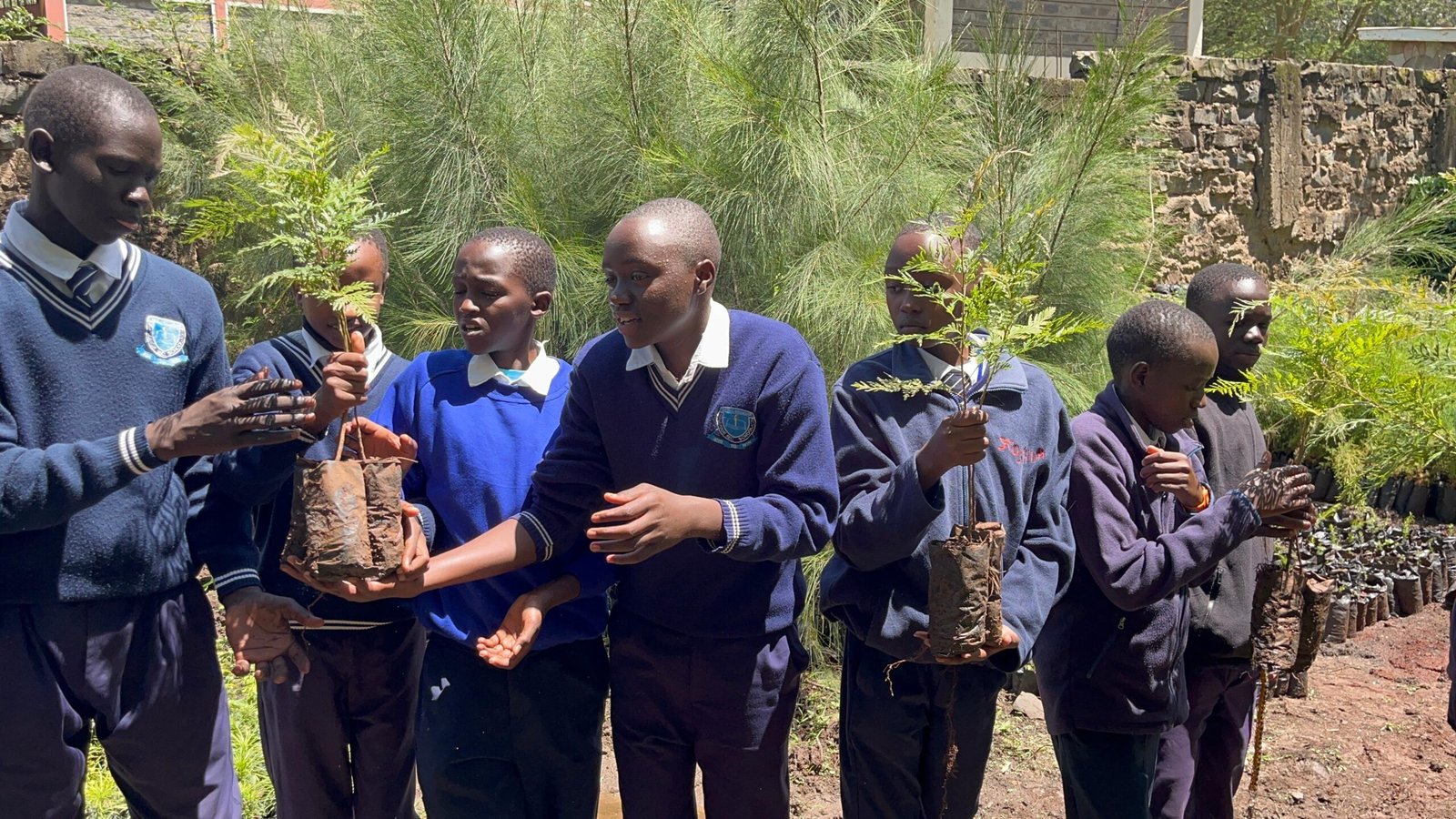
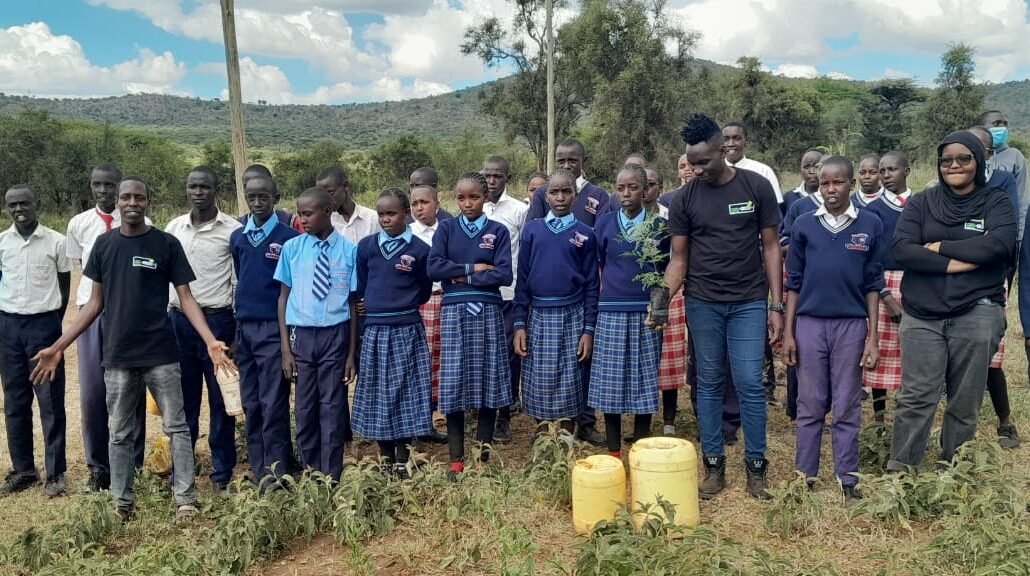
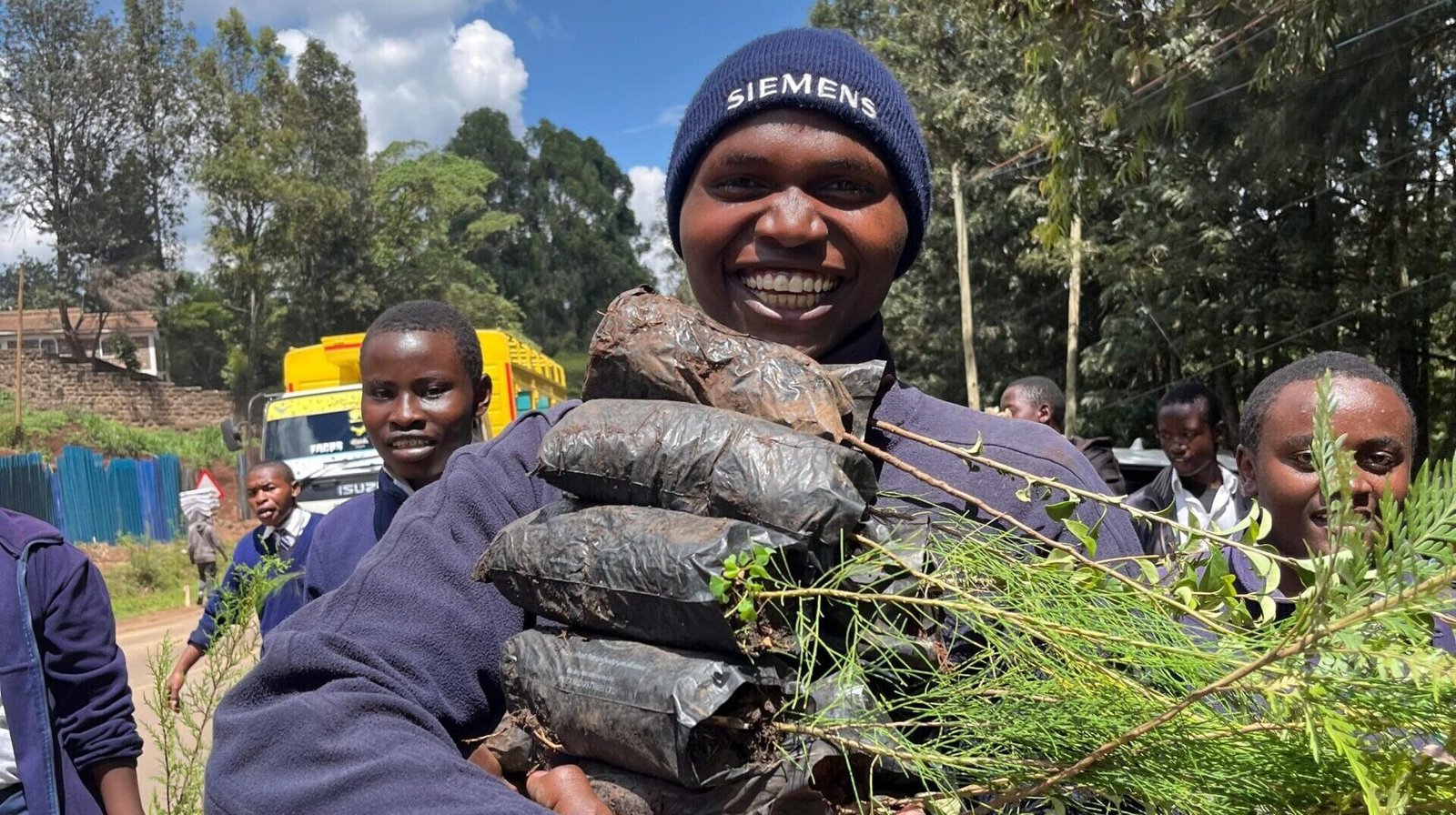
Environmental sustainability forms a key pillar of the hub's community engagement strategy.
The hub works in partnership with CodeGreen, a community-based organization established to expand environmental outreach beyond the hub.
Together, they organize:
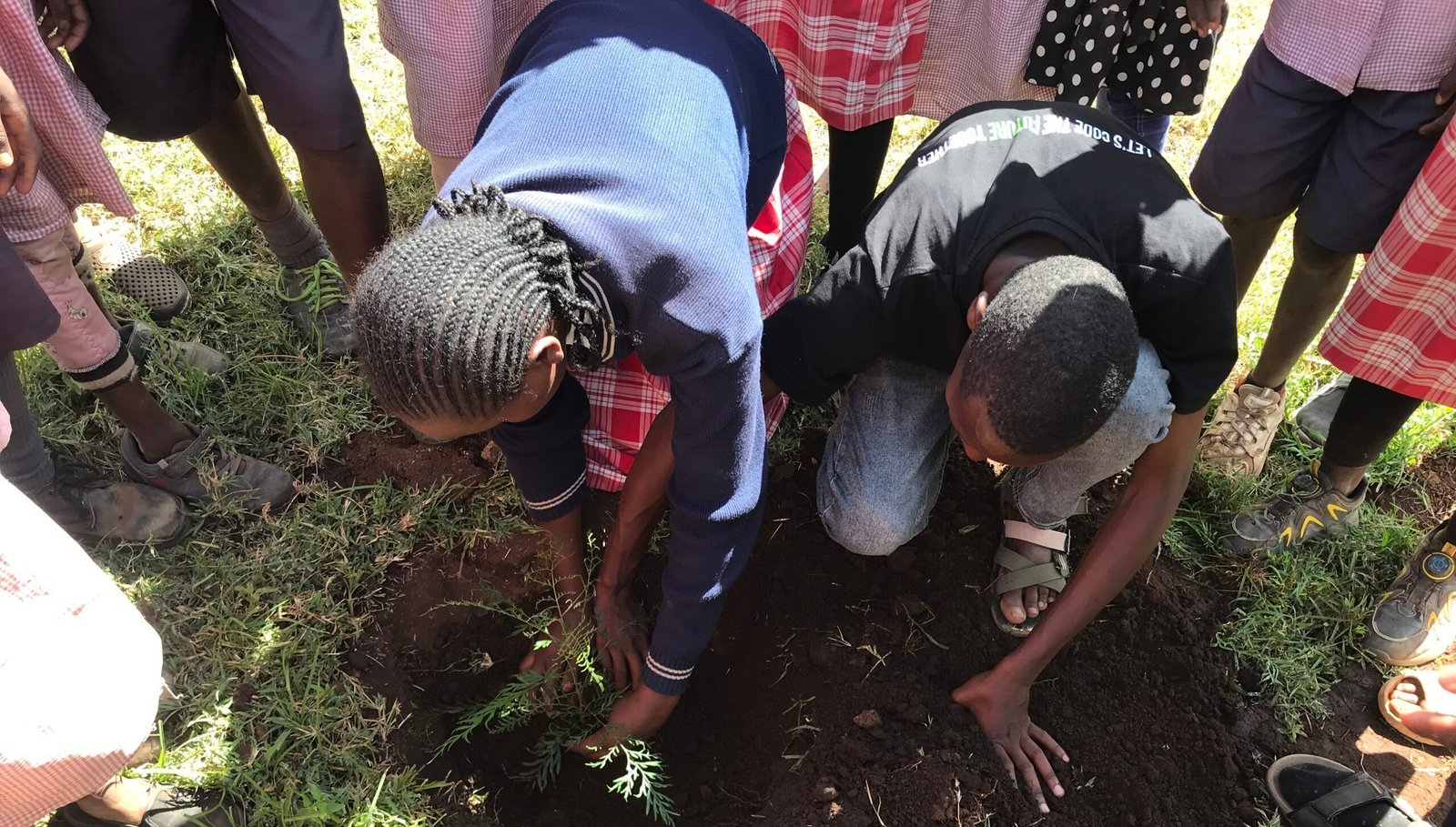
Tree Planting Campaigns Environmental
Awareness Forums Climate Change Education
School Tech-Environmental Clubs(CodeGreen Clubs)
The programme encourages young people to become environmental champions while contributing to ecosystem restoration and climate resilience.
Beyond digital skills, the hub is committed to improving community well-being through awareness and advocacy programmes addressing pressing social issues.
Community outreach activities focus on:
✔️Gender-Based Violence (GBV) Awareness
✔️Female Genital Mutilation (FGM) Awareness
✔️Mental Health Awareness
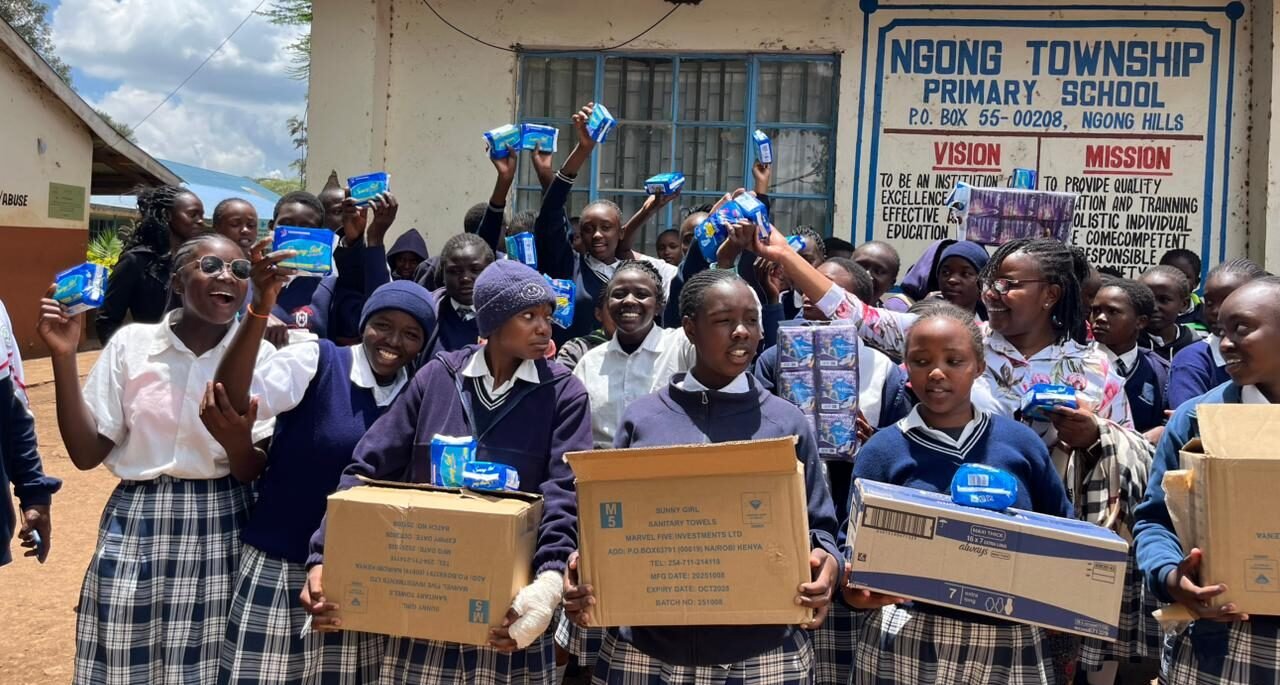
✔️Menstrual Hygiene Education & Sanitary Pad Distribution Drives
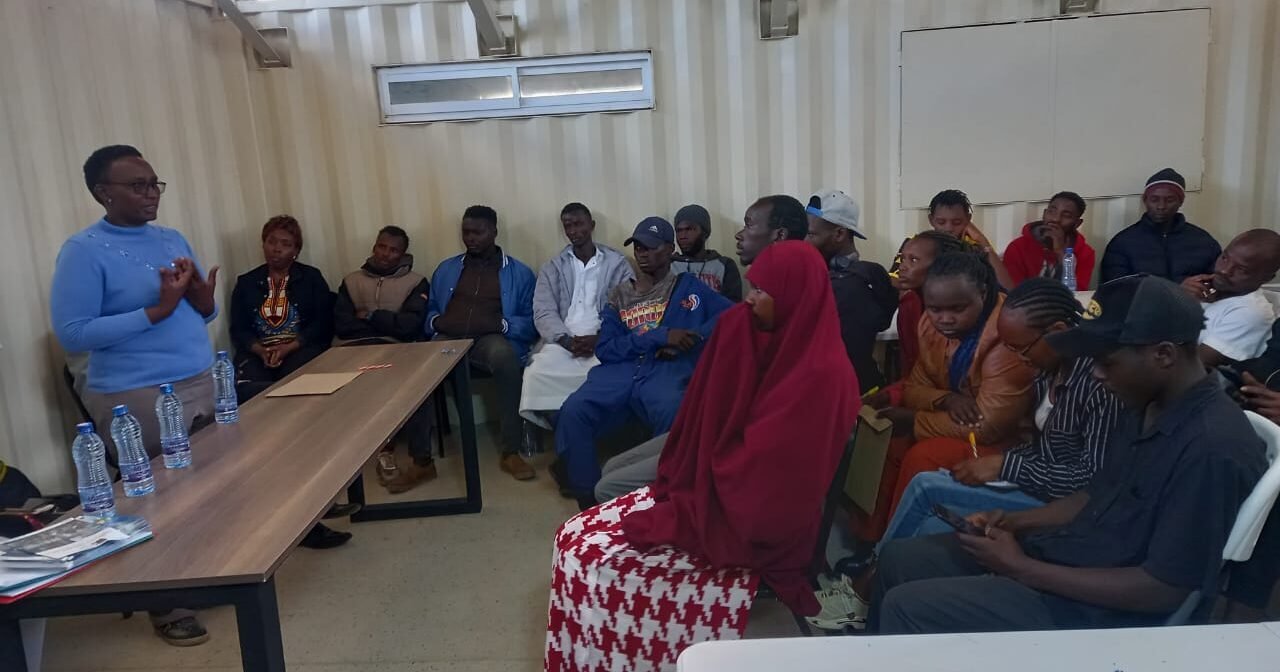
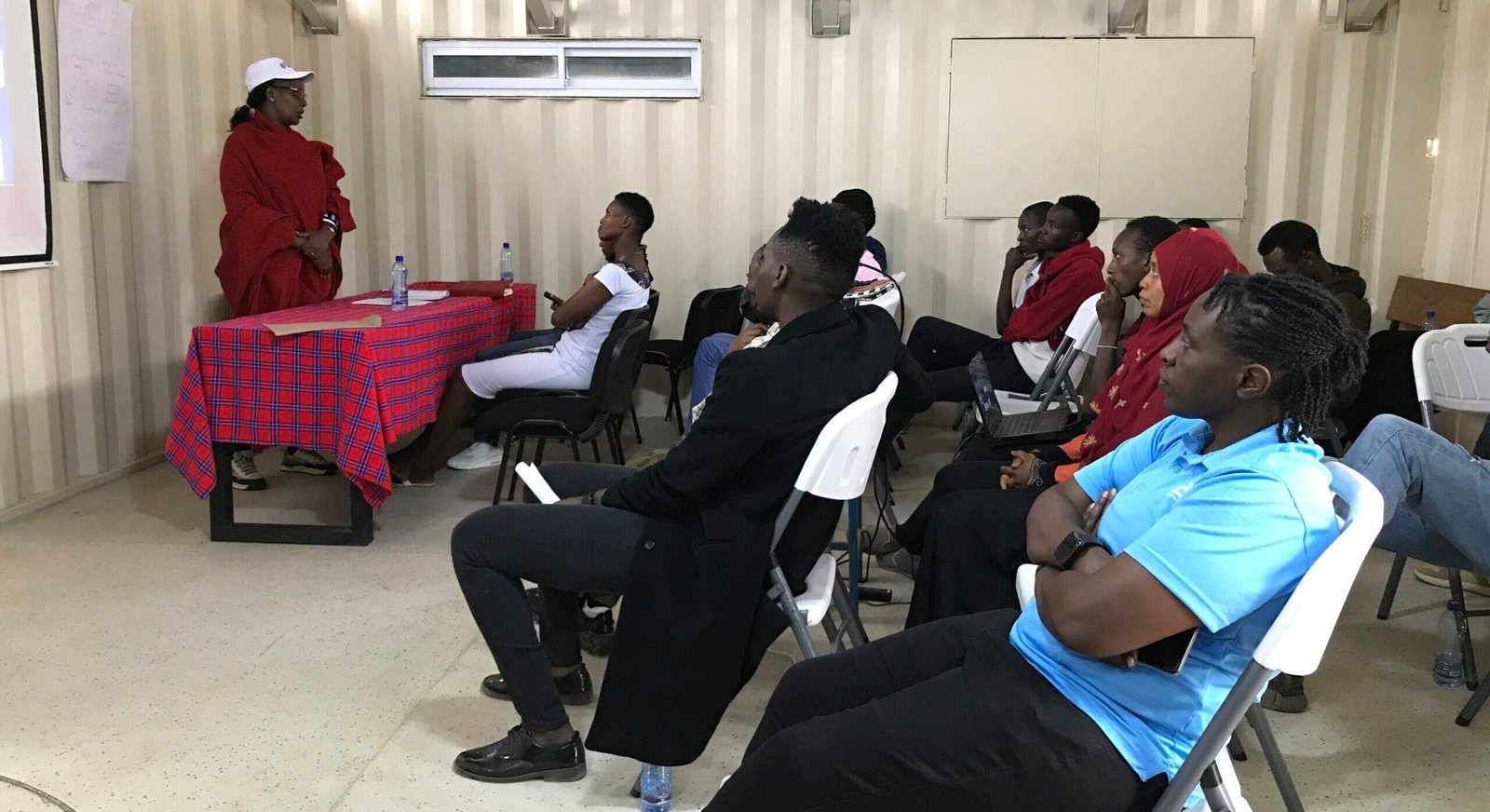
These initiatives bring together community members, youth, parents, teachers, local leaders, healthcare professionals, and subject matter experts to promote informed discussions and encourage positive social change.